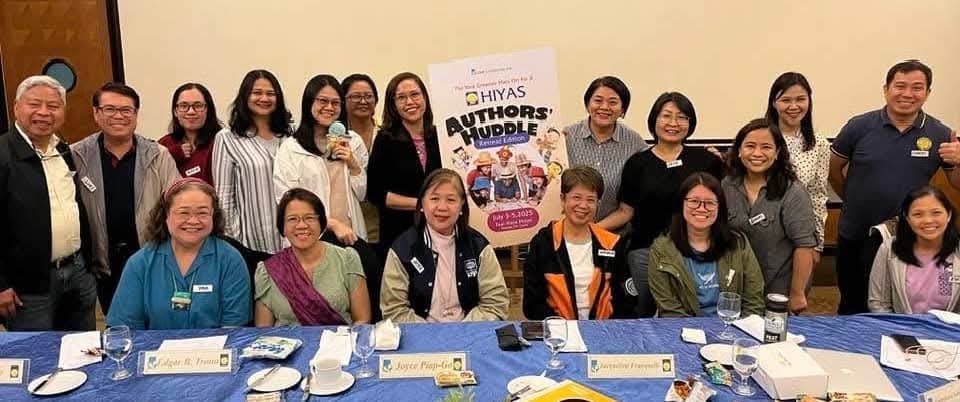
In Taal Vista Lodge in Tagaytay, twenty children’s book authors came together for a weekend summit to pitch, discuss, and dream: What does Christian literature mean for the Filipino child today?
Among the participants of the Hiyas Authors’ Huddle, some have a long-established careers with children’s books distributed in schools and bookstores nationwide. Their stories focus on child development, spiritual nurturing, and educational psychology, shaped by real-life encounters with children through their diverse vocations—a missionary, a lawyer, a radio broadcaster, a poet, and a teacher. Yours truly is the only one who has not yet published a single children’s story, but we all shared one conviction: that the stories we tell our children shape not only their imaginations, but also their hearts.
Faith and the Filipino Child
At the heart of this gathering was a shared desire to align with the Department of Education’s (DepEd) K to 12 framework—specifically, the DepEd Filipino child profile, which envisions the learner as “a whole person who is maka-Diyos, makatao, makabansa, and makakalikasan.”
The DepEd’s learner-centered framework recognizes that education is not only academic but also moral, spiritual, and emotional. It sees the child not merely as a student, but as a citizen of a wider moral universe. Christian literature for children, then, becomes more than Sunday reading—it becomes a tool for character formation, spiritual grounding, and cultural identity.
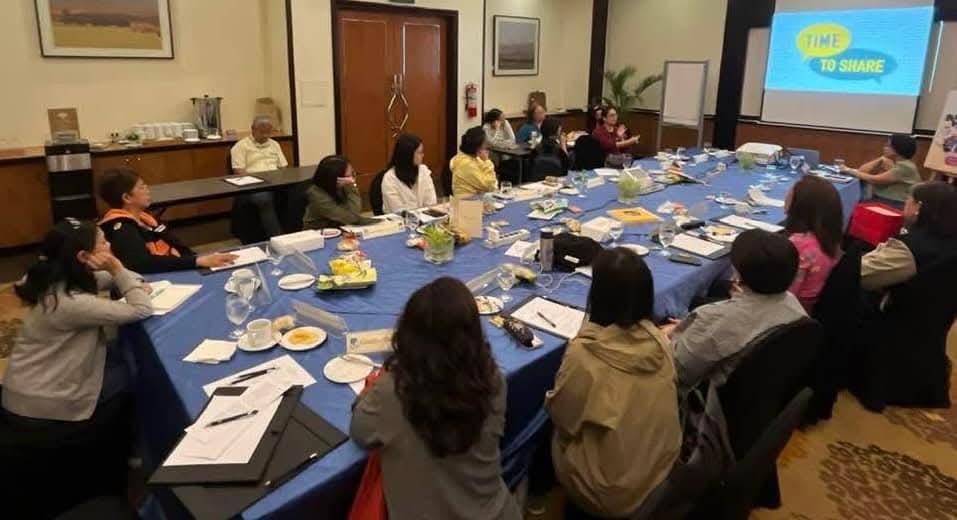
Authors carry a deep responsibility to present not only doctrinal truths but also healing narratives—especially for children who experience brokenness at an early age. When we write for children, we write for wounded souls who may not yet know how to name their grief—but who already know what hope feels like. In communities affected by displacement, storytelling becomes a powerful tool for trauma recovery and spiritual formation; a simple narrative about God’s faithfulness can mean everything to a child who has lost their home.
There was also strong emphasis on the value of integrating Christian children’s literature into academic and developmental contexts. “We’re not only planting seeds of faith,” one participant noted, “we’re also building literacy, emotional intelligence, and cultural memory.” This holistic approach reflects the DepEd’s vision of a Filipino child who is makatao and makakalikasan—formed by relationships, environment, and faith. The authors in this workshop affirmed that when Filipino children read stories that reflect their language, beliefs, and community, they grow not only in knowledge and confidence, but also in conscience and compassion.
Bridging Church, School, and Home
Urgent and reflective questions for us as Christian children’s book writers: What does it mean to write stories that support the formation of the maka-Diyos child in today’s fast-paced, screen-saturated world? How do we tell tales of kindness, forgiveness, and truth that also honor the local culture, language, and the everyday realities of Filipino families? During the two-day meet, the participants also reflected on key questions:
- How do we portray the person of Jesus in age-appropriate, culturally relevant ways?
- How can our books affirm a child’s identity as both Filipino and Christian?
- What themes are most needed today—hope, honesty, obedience, resilience?
Toward a Theology of Children’s Literature
In pitching their storybook idea, every writer is sensitive that Christian literature for children need not be preachy or distant. It can be playful, poetic, and close to home. When done with care, these books can reflect the very heart of the Filipino child as envisioned by DepEd—a learner who is not only knowledgeable, but also kind, creative, and anchored in faith.
The Gospel is filled with moments where Jesus honors children—not just as symbols, but as real individuals who carry divine insight and worth. Writing Christian children’s books, then, is a sacred act. It is discipleship in story form. When we write about a child who learns to pray, or forgive, or wonder about God—we are not simplifying theology. We are embodying it.
The authors present resolved to continue as a network of Christian children’s book writers committed to uplifting the Filipino child. Christian literature for children in the Philippines is not a niche—it is a mission. It is a way to raise up readers who are not only smart, but also spirit-filled. Writers, publishers, educators, and parents are invited to join this movement. After all, as Jesus said, “Let the children come to me, and do not hinder them.”
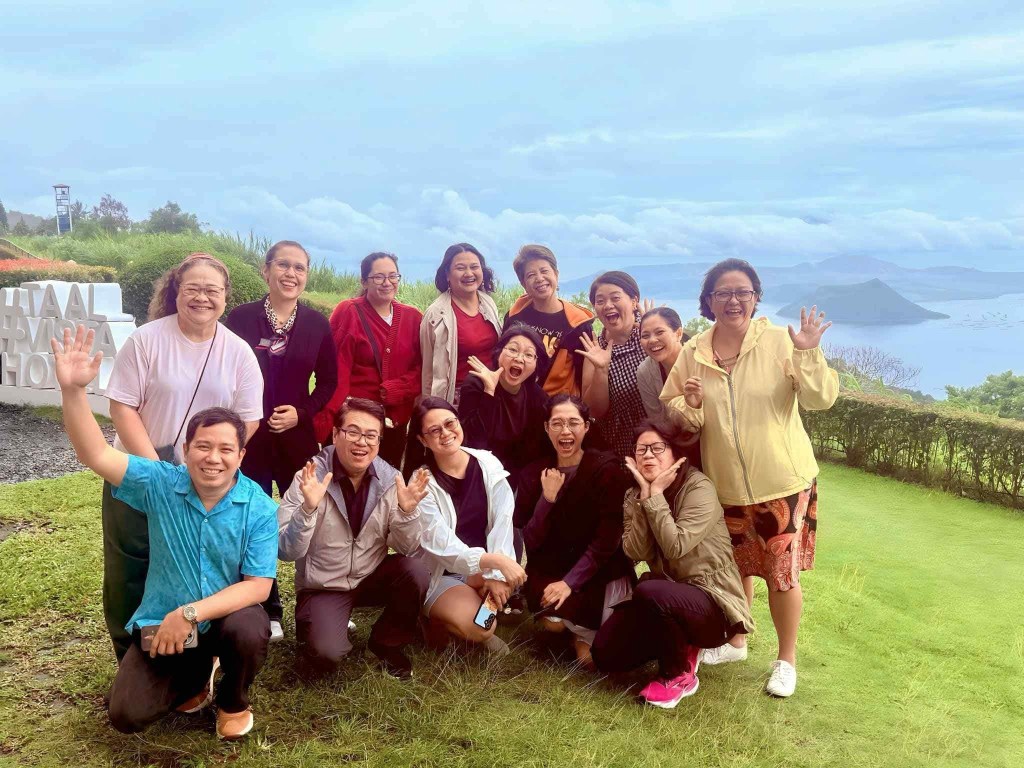
Often, the way they come is through a beautifully told story.
Discover more from THE Y.A. BOW
Subscribe to get the latest posts sent to your email.
