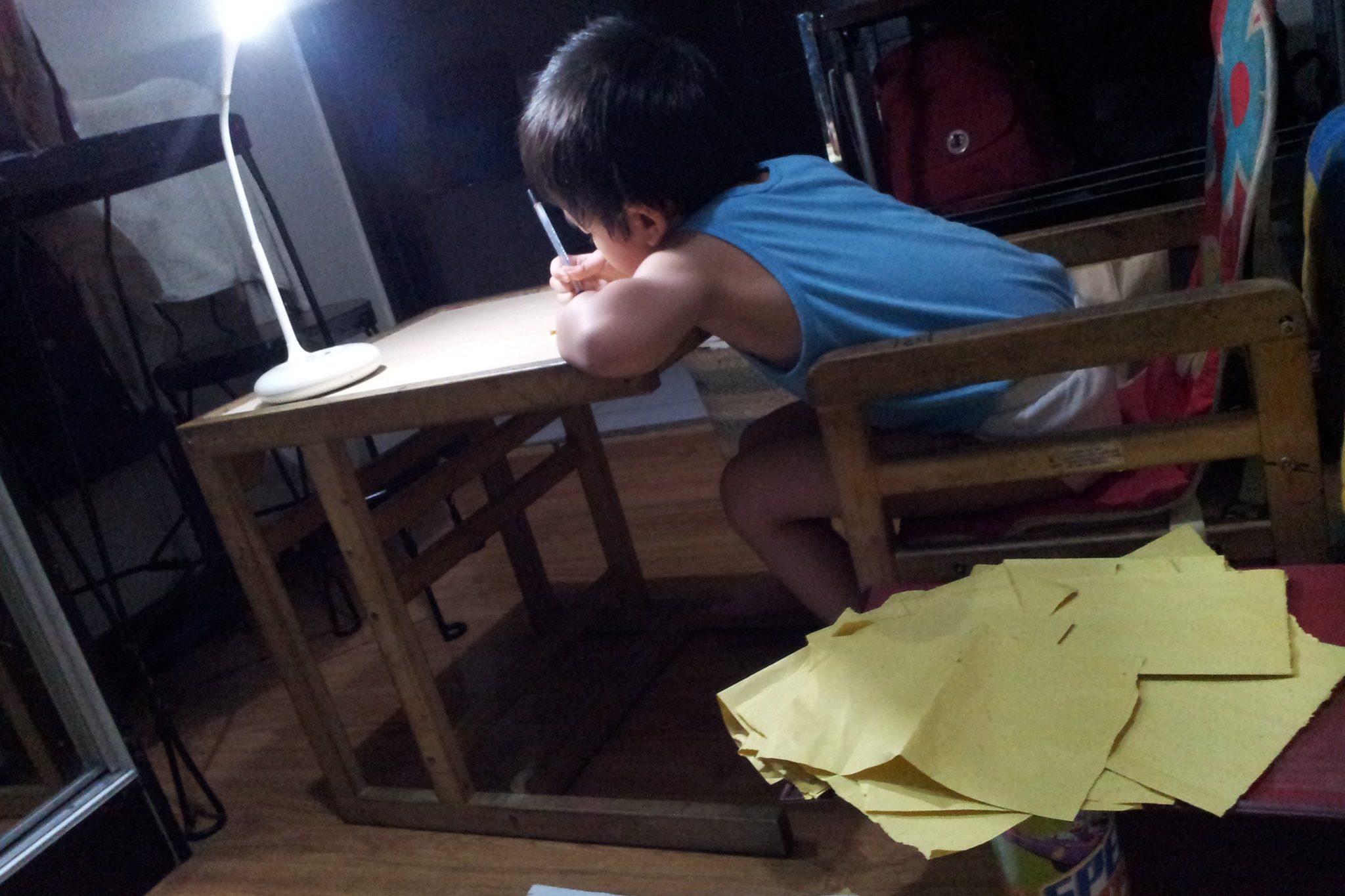
Bonding with my extraordinary nephew
We don’t grow up in isolation with only our parents but within a network of relatives—grandparents, cousins, uncles, and of course, aunties. This communal setting where multiple adults shape our upbringing is where we can meander back and forth from foolishness to wisdom, awkwardness to confidence. Present in this safe space, aunties hold a unique power to influence, to nurture, and to be a trusted confidante.
As an aunt I feel that I am in that delicate in-between relationship with the children of my siblings as I give them guidance without pressure, or love without the obligation to discipline too harshly. But establishing a close bond with my nephew—this specific kid on the page of my life story—isn’t automatic. I feel that I need to be intentional, patient, and authentic.
Presence Over Presents: The Gift of Time
In building a strong relationship with my nephew, the quality of my presence far outweighs the quantity of material gifts. It’s not about being the “fun auntie” with a constant stream of treats. While he appreciates a small toy or token or any pasalubong, what he truly cherishes is our time together. He longs for shared experiences: he always asks when I can be absent from school so we can go out together and walk in a mall. He wants me to read him a book and for us to pray together before he sleeps. On a Saturday, he wants us to have breakfast together in McDonalds, after walking in the garden.
Our time together is unstructured, and we have ample space to breathe. I let the kid just be a kid when I let him chatter about his latest craze – he likes fire alarms and sprinklers by the way, not any other merchandise. I feel that I should show up in his birthday party, simply because he’d be looking for me. I feel that I must take note of his quirks and interests without demeaning them. This is me, being intentionally present.
Understanding Without Overstepping: Respecting Boundaries
Surely, not only parents demand respect from their children. But before my nephew can respect me, he should be assured that I respect his mother. His Mom has full authority over him, and my role is not to challenge her authority, but to offer alternative forms of support. Kids take note of boundaries like this, and accordingly give respect.
For example, if my nephew struggles with school pressure because his Mom expects good study habits resulting in good grades. I cannot cross the line by overriding his Mom’s ways of teaching him in the way he should go. But If the child comes to me with a problem, I must listen, and offer comfort, perspective, or even just the space to vent. My support is a supplement, not a contradiction. My nephew should feel that I offer a safe space, not a wedge in the dynamics of his relationship with his parents.
Our Rituals of Connection or Shared Experiences
Our relationship is built on routine and shared activities. Whether it’s a weekly Saturday walk in the mall, with lunch or a segue to watching a movie or shopping for school supplies in a bookstore, or something as simple as watching Netflix together, these rituals is where I will see most of him, and he of me. Our true, and transparent selves will bring us even closer and make us friends.
When I indulge him when he craves for particular fast foods (he really likes eating at pepper-lunch) or snacks (loves all biscuits, in fact, anything sweet), I am caring about him as a unique person. And as we pursue creative tasks and projects together, I am trying to foster a connection based primarily on his needs.
Being an Anchor: Accepting His Uniqueness
When he was a toddler, my nephew used to walk in the garden always stopping at every metal drain he saw and staring at them. He cried so I would cut paper squares with holes that resembled those drains. From four to six years old, he repeatedly drew the itsy, bitsy spider on the water spout. The sun had rays that could be straight or wiggly, and the clouds when it rains will have a grumpy face. Reaching his tenth year, he is obsessed with fire alarms and sprinklers. In the mall, he takes pictures of these ceiling and wall devices. When he chats, it’s about Spidey, his imaginary friend, or about those fire alarms and sprinklers – their brands or whether they appear similar in every wall or ceiling he finds them.
His Mom understands him and worries about him endlessly. But this auntie has to be fully accepting of who he is and allow him the space he needs, even if I have no control over the spectrum of his difficulties. He may apologize frequently, and his struggles may be vague and difficult to comprehend, but annoyance is never an option. I cannot expect of him what is expected of every child his age – in his physical, mental, and emotional development. This kid on the page of my story has to be consistently assured that his worth will never be tied to a high mark on a report card or to a new friend.
Presence in Auntie’s Legacy of Love
My deepest hope is that when he reflects on his childhood, he will remember countless moments of being seen, accepted, and loved without judgment. I want him to know that he can always turn to me, secure in the knowledge that he will find a steady, loving presence that will never abandon him.
Our relationship is not transactional; I am active in his life story. Every engagement, shared meal, and our trivial moments together should trigger nostalgic, happy memories. But this is not going to happen by accident, but with a dedication to give him warm, wise, and unwavering support. How I embrace my role as his aunt reflects this understanding of what it means to leave a legacy of love.