In my journey as a poet, Tagalog has become the language where my deepest thoughts and emotions find a true home. Fearless Filipino women poets like Benilda Santos, Joi Barrios, Luna Sicat, Beverly Siy, and Genevieve Asenjo are my favorite weavers of language into poems of resilience, spirituality, and the weight and beauty of lived experiences.
Tagalog is where my poems find their truest home, shaped by fierce rhythms and sharp insights. These voices inspire me to listen deeply and shape words that capture intimate moments, quiet struggles, and the pulse of everyday stories in the city. I reach for fragments of their strength, faith, and intimate storytelling, hoping that my poetry will carry the same enduring fire.
What Benilda Santos Taught Me About Using Few Words
Some of my poems reach for language as sparingly as possible. I struggle to choose each word carefully, placing it where it can bear its own quiet weight. I learned some of this from the poetry of Benilda Santos. Her Pali-palitong Posporo showed me how deliberate Tagalog can be, how crisp, short words can open up an expanse of meaning. Lingering on her minimalist expression reveals more than what she’s actually written about grief, faith, and womanhood.
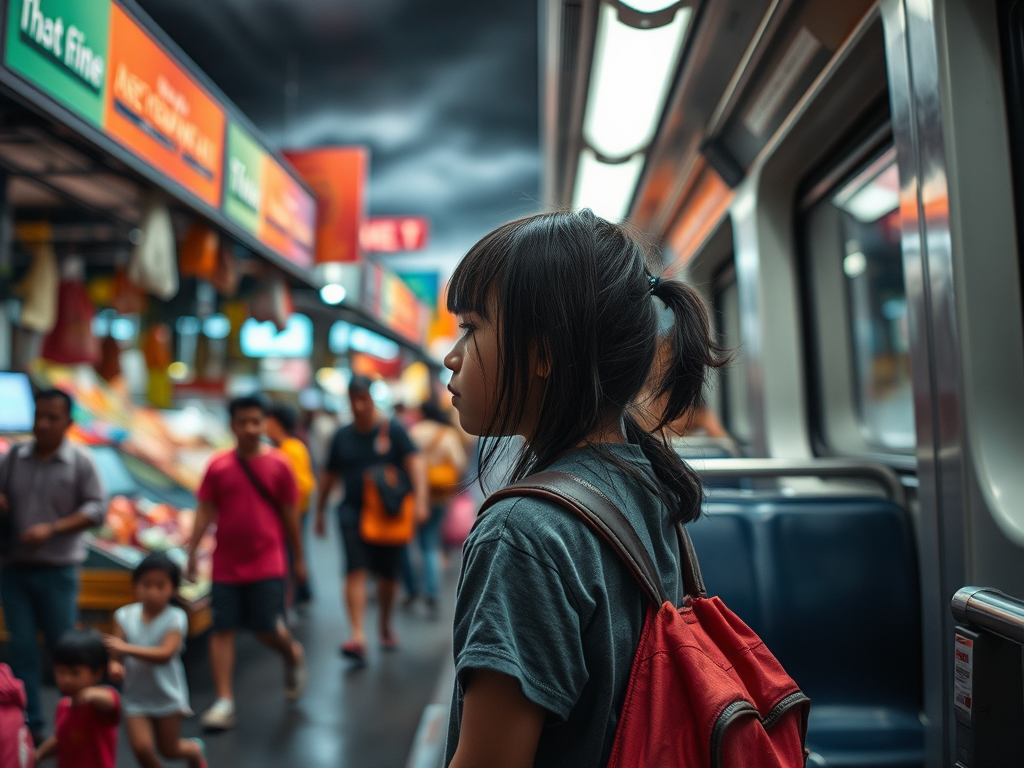
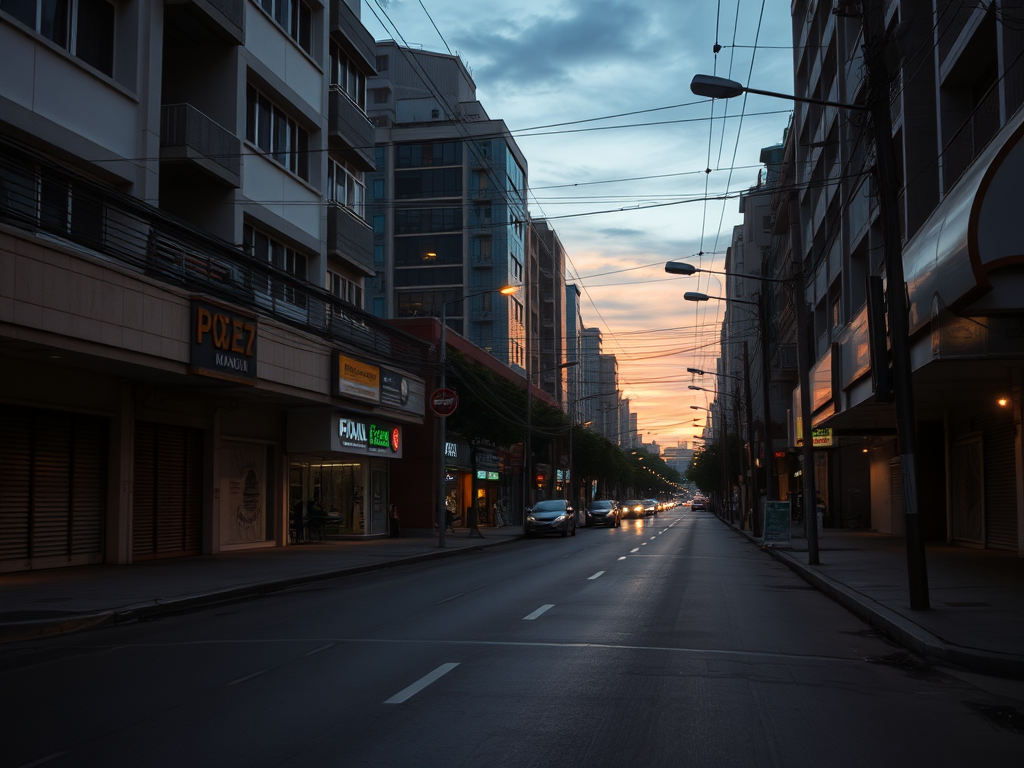
I try to weave in the same way and capture moments by the tones they leave behind. Do I hear the children at the wet market, their quick and thin pleas? The commuters in line, their words swallowed by the brewing storm. Even the mall wanderer’s talk dissolving into the hum in shiny ailes. And that still, silent girl on the LRT to PGH who is burdened with what she could not say.
How Joi Barrios Showed Me Poetry Can Be Both Protest and Lullaby
I’ve never been political. More a coward. Quick to escape rather than confront. But Joi Barrios’s poetry can protest and sing. Resist and still show tenderness. She confronts with melodious verse and deeply felt detail. A woman’s circumstance, often her own, moving through complex political landscapes. I have mimicked this at times. Writing of tired faces on buses and trains. People weighted by the end of the day. Still carrying resilience and hope alongside their sorrow.
When does a poet truly become political? How do poems reveal human rights in the raw edges of everyday life. My subjects are these moments. Commuters braving traffic. Floods. The weight of capitalism on the streets of the Philippines.

Finding Faith and Quiet Questions with Rebecca Añonuevo and Luna Sicat
I have been writing poems about my faith and the doubts that shadow it. In my book, I have gathered these struggles into three threads: pagtataya, how faithful am I? pagkagulantang, how sensitive? pagpasan, how responsible? Rebecca Añonuevo’s poetry, along with her thesis on Gana, charts many poet’s deep and often complicated dialogue with the Divine. My own poems attempt something similar, mapping the restless terrain of my faith in moments of searching, in whispered encounters with God.
Luna Sicat’s poems delve into desire, memory, and history. Her language enacts distance and isolation. In my own work, I try to capture moments like these: a mother leaving her child to work abroad, a daughter caring for an aging parent, a death in the neighborhood that whispers of systemic violence. I watch the quiet faces passing by, their histories folded in silence, their desires hidden in camouflage. Luna’s poems become voices of silent longings, histories murmured between heartbeats, and dreams that remain unspoken.
The Courage to Speak My Truth: Lessons from Beverly Siy and Genevieve Asenjo
Beverly Siy is fearless in speaking her raw, personal truth. Her voice prods one to be brave and speak even when the words are sharp or messy.
I am Batangueña, and sometimes I feel self-conscious about letting my punto slip into my poetry. Batangas Tagalog, as a dialect, can seem inaccessible to some readers, yet I cannot set it aside. It is my language that insists on being spoken.
There is one poet who weaves her native Hiligaynon with Tagalog seamlessly. Genevieve Asenjo writes in three languages and sometimes weaves them all together. This shows me that poems, too, don’t just map a body, but also an archipelago, all the provinces and cities inside me, all the places of home and belonging.
Finding the Beat Between Where I’m From and How I Speak
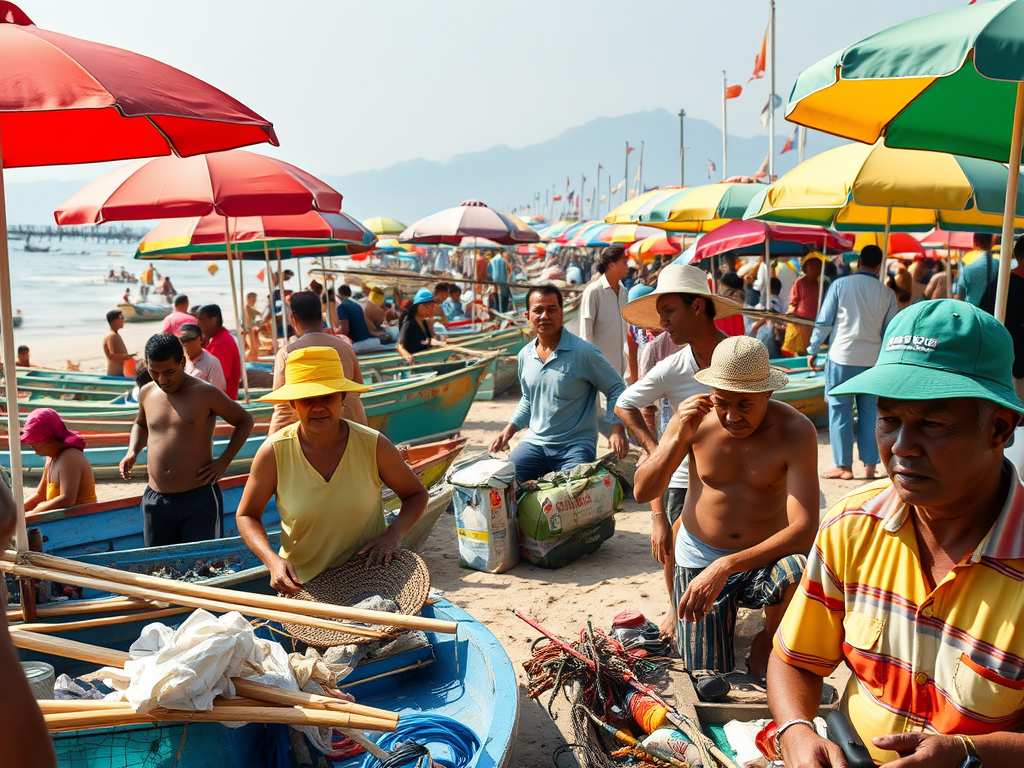
My poems flow in Tagalog, shaped by the stories I hear behind weary faces on buses and trains, in markets and malls, on streets and highways. My essays, however, feel more at home in English. I often struggle to write them in Tagalog, and when I translate for convenience, the result feels like stiff, borrowed clothes. Perhaps it is because of my schooling. In all my education, English essays were graded and assessed, while Tagalog was reserved for spoken stories, warmth, and shared laughter.
My use of Tagalog in poetry comes from a belief in its spirit and depth. Tagalog holds music, rhythm that breathes, and syllables that sway. I court its words to carry both tenderness and bite. English, for me, offers structure and sometimes direct argument. Both languages are mine to use, and I will not compromise context or meaning in either.