In My Mother’s House, Balinsuso, Barako
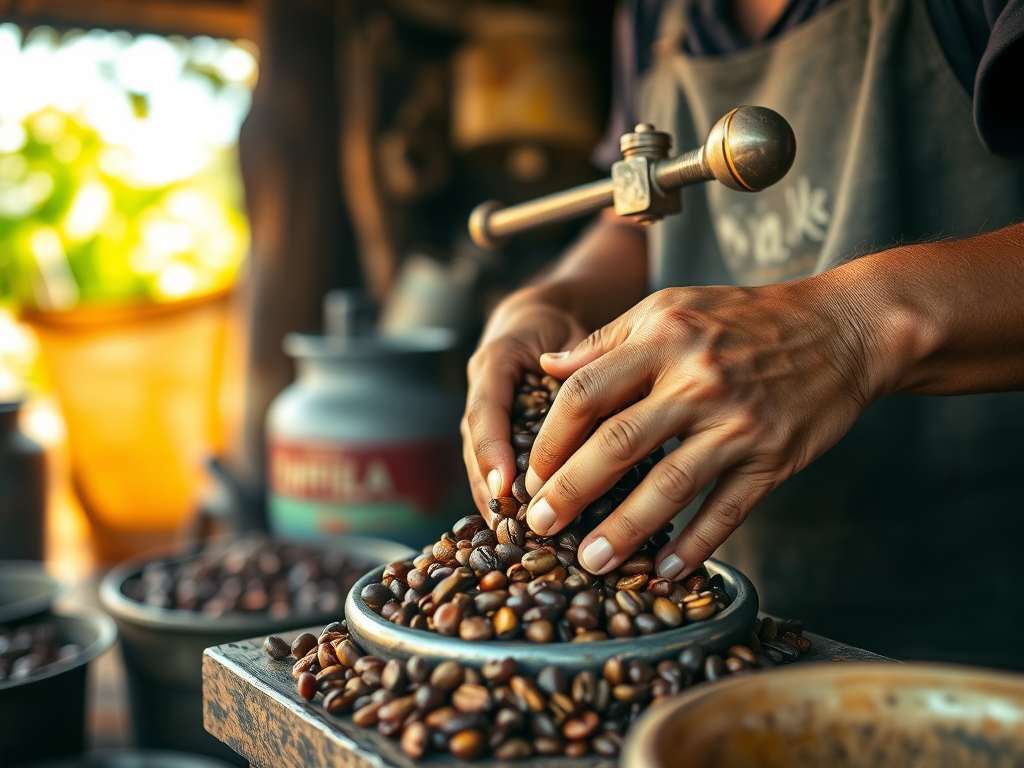
I grew up in Batangas, in three homes. The first one, until I was six, was a rented silong on D. Silang Street. Before sunrise, I would run across the street to Ka Ede’s sari-sari store to buy our coffee. Isang gatang lang po, I’d say, as he ground the beans by hand with a wooden, hand-cranked grinder. He poured them into a balinsuso paper wrap, folded neat like a funnel, which I carried home carefully. Soon after, the kapeng barako would be boiling in the takure, and the house filled with its rich aroma as we got ready for the day.
Breakfast was simple. We dipped pandesal in coffee or poured coffee on rice, depending on what was there. We always had fish, sinaing na tulingan or pritong aligasin. I never thought about whether our meals were balanced or not. Inay always put food on the table, and we were never hungry. Only later, when I was already working in Manila, did I realize that those were difficult years for her.
In Batangas, coffee is simply kape. You ask for it plainly: Pagbili nga po ng kape. Outside the province, though, Barako is what people recognize. It has even become a brand. But barako isn’t always a flattering word. Nabarako means outwitted by someone more cunning. Nakakabarako ka ah is said with offense and a hint of warning. Barakuhin is someone likely to get into fights. A barako can even mean a carabao with horns. Matatapang daw ang Batangueno—mga barako.
More from WordHouse: A House for Words, Reflection and Memory
Now, onto the paper fold that holds the coffee. The balinsuso is a funnel-shaped fold, completely closed at the bottom. Ka Edes poured the ground coffee into this triangle and locked the top with a crinkle. I carried it home like dirty ice cream. In those days, they didn’t place anything you bought in plastic supot or labo, so I had to be careful on my way, lest I trip and spill the coffee. I’m not sure if there’s any other secure fold that doesn’t require origami skills, but this one is a classic coffee bag.
Nanay’s Two-parts Breakfast
Batangas lies along Batangas Bay and is known for its many beaches. Just off its coast is Isla Verde, where the Verde Island Passage forms a strait that connects the Pacific Ocean and the South China Sea. Naturally, fish abound in the market and most Batanguenos can name them. But even up to my college years, I used aligasin to name almost all the long, slim, red-orange fish I ate. Dalagang bukid was rounder, still orange. Hiwas was flat, like a small pagi or stingray. And what Batangueno doesn’t know Tulingan?
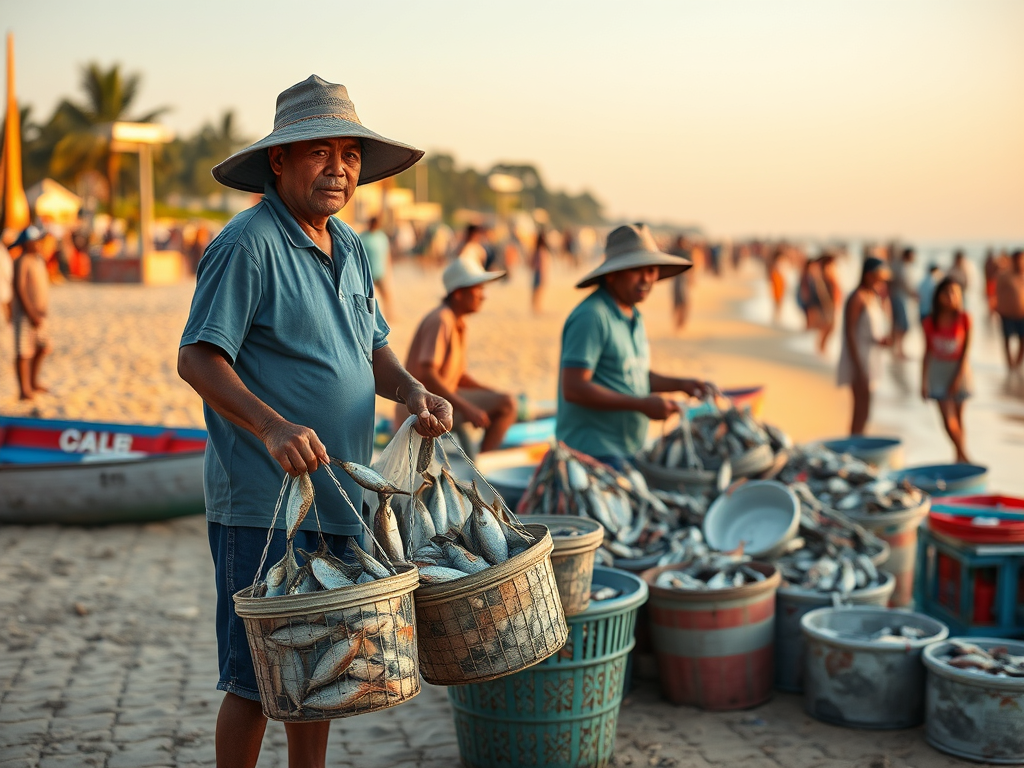
My grandmother, Nanay, as I called her, was a fish vendor. I didn’t see her selling in the market, but whenever we were at her house in the ‘bukid‘ as we referred to it, I sometimes woke early enough to join her at the shore. She chose from banyeras of fresh catch, bargaining with fishermen. Later she would sell the fish at tumpok prices in the market. By the time she returned home, a banyera balanced on her head, it was filled with bread, paborita, suman, melon, grated coconut, pakaskas, rice, bihon, and even bars of Safeguard and Ajax detergent. She still wore her apron, still smelled faintly of the market, and always had her wide smile, her eternally red mouth busy with nganga.
Nanay loved to cook for us when we visited. She always served two breakfasts. The first, at sunrise, was utaw or rice coffee with paborita biscuits crushed into it, something that has remained a family favorite. The second was closer to brunch: fried rice with sinaing na tulingan or pinais, and a real sweetened cup of kapeng barako poured over rice.
Our histories are as islanders
On Our Way to the Bukid
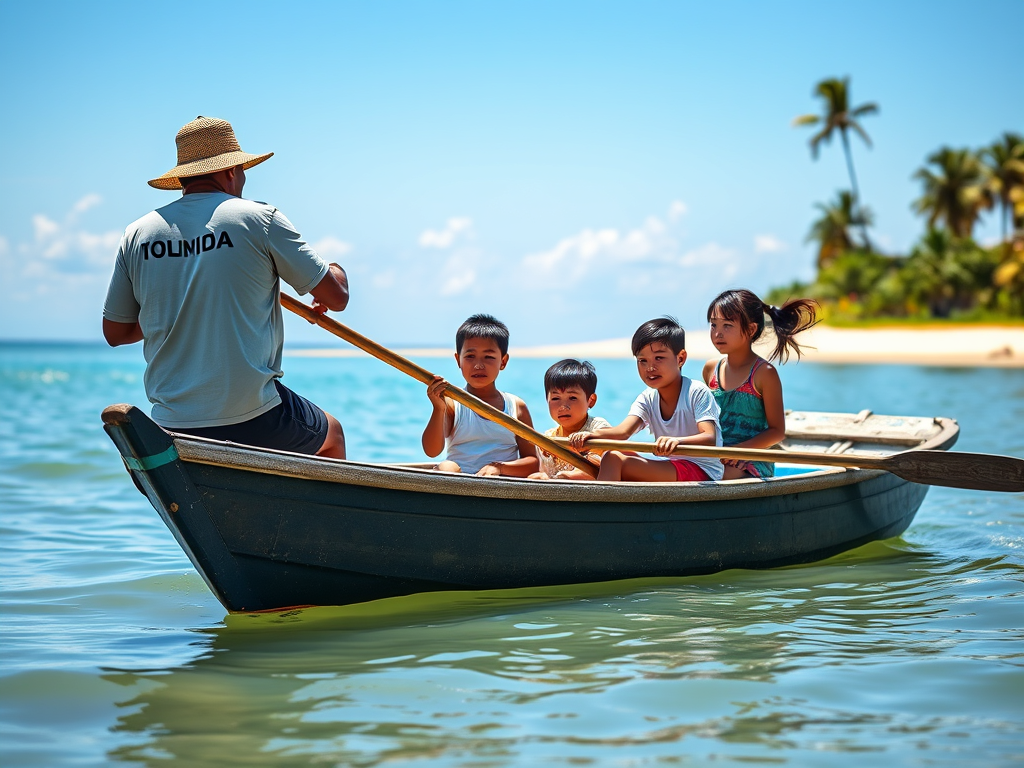
My most textured memories always go back to those times of our visits to my grandparents. I can imagine Inay struggling to haul the four of us, since we first had to take a tricycle from our rented place in Dolor Subdivision (this was where we lived when I was eleven; I was the eldest). Then we would cross a hanging bridge in Wawa, Batangas. We four siblings always scared her as we gleefully walked across the bridge, feigning dizziness and delighting in the swing whenever we ran. Afterward, we’d pass through a forest of palms, our slippers tucked like gloves into our hands, as we walked barefoot, laughing at the occasional shallow sinks in the slimy, dark, watery ground. Once we reached solid sand, we would shout the name of our sundo on the other side of the river. Then Mamay or my uncle would come and fetch us in a rowboat.
I’ve long tried to write a story set in that memory. I realize now that I, too, carry an island narrative. My grandparents’ house is gone, taken by storms, quarrying, and the sea. Yet every time I see barako or sinaing na tulingan sold in sealed containers at malls, I am pulled back to Nanay’s kitchen, to her folded nganga leaves, to the balinsuso-style packets she made.
These fragments may never form a complete story, and maybe they don’t have to. Writing them down keeps the memory alive. And who knows, someone else might find in them a piece of their own story too.
Fragments can grow into stories as we keep them on the page.

