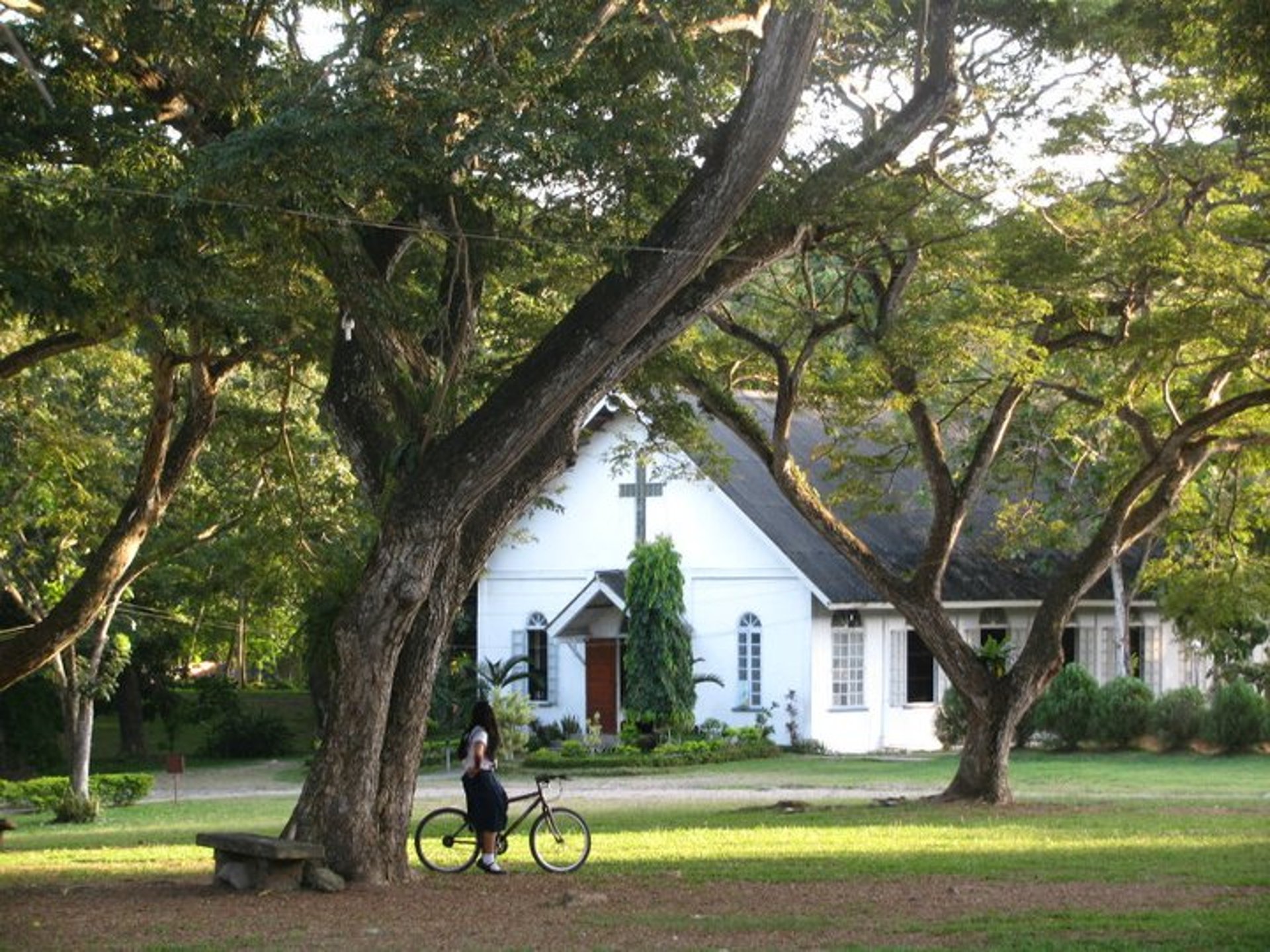
Living My Extraordinary Life

Now and then, I find myself wandering into the realm of what-ifs. I look back and think about the things I might have missed—those extraordinary milestones people often speak of. Extraordinary in their scale, boldness, impact, or the way they’re remembered.

But when I scan the contours of my own life, nothing leaps out as extraordinary. No major celebration. No daring adventure. No public achievement or sweeping cause. My days have always been—and still are—structured. Predictable. Routine.

And the more I live inside that routine, the more I drift toward wondering what could have been… if.

But then again, I write.

Writing has been the central activity of my life since I graduated from college. It may not be flashy, but it’s a major part of who I am. I didn’t always plan for it to be this way, but through small, gracious opportunities, writing became both discipline and refuge. And yet, if you ask any writer, they’ll tell you: writing rarely feels extraordinary. Not unless you’ve written a bestseller. Or at the very least, been published somewhere beyond your blog or email inbox.

Maybe just being published—especially in this country—counts as extraordinary.

Still, there’s a steadiness in the act itself. A consistency to the way I keep desiring, doing, and persisting to write. That rhythm—that stubborn, almost meditative presence of writing in my life—is the heartbeat of my days. It isn’t glamorous. But it’s where I feel most alive, where understanding flickers into clarity. Writing moments are small, quiet, but weighty. Sometimes, it feels as if I’m helping shift something in the world—even if just a little.

Most days, it means sitting alone for long stretches. First with pen and paper, now with my computer. Often anxious about choices. Making mistakes, realizing them, regretting some, letting others go. This is part of the writing life. And strangely, it’s also what makes it extraordinary: the sheer amount of time spent thinking and reflecting quietly affirms that this life is worth living.

Progress is slow. Publication, even slower

But there’s something deeply fulfilling about thinking hard about a single idea—shaping it, doubting it, challenging it, then moving it forward, even a few lines at a time. Will my work ever make waves? I’ve stopped asking. That question, I’ve come to realize, is beside the point.

There are evenings when I stare at my screen and wonder: is this it? So what if I can write? What do I have to show for it? A folder of half-finished drafts? A blinking cursor? A cluttered desk and a dozen tabs open?

And yet, I keep going.

I don’t have a breakthrough book or an award-worthy story. But I’m starting to believe that this writing routine—the one I’ve practiced quietly for years—might be more extraordinary than I once thought. Not because it’s dramatic. But because it’s real. Because it’s steady. Because it’s full of care.

I used to think extraordinary meant once-in-a-lifetime. Now I think it can mean showing up every day with purpose, even for small, quiet tasks. Even for words that no one may read.

I’m keeping the rhythm.

A blog post. A personal essay. A newsletter draft. None of this is easy. But I like doing it. And maybe that’s what makes it extraordinary. How strange, and lovely, that simply putting words on a page makes me smile.

So I keep showing up. I keep piling pages onto pages of drafts that may never be published. I have poems that might one day find their way into a personal anthology—Volume 2, perhaps.

I’m performing my extraordinary life in circular motion—looping back, writing again, making meaning from the mundane. Extraordinary because it keeps going. Extraordinary because I am enjoying it to the fullest.

WHY I NEVER WORKED AT HOME, EVEN DURING THE PANDEMIC

The Reality of a “Garden View” Condo

My condo felt less like an investment and more like a tight box. Living on the second floor, I was promised a “garden view”—which has turned out to be nothing more than a monotonous wall of generic leaves, offering zero visual interest. Even the brief flashes of the passing MRT, once a reminder of the world beyond, are now blocked by the steel backs of billboards. And night offers no escape. Instead of a sparkling river or bright neon lights, I see the tower’s stark, brightly lit square boxes across the way—a relentless grid of identical windows. This supposed haven of scenic views has become a 24-hour panorama of boxed-in boredom. Inside, the feeling of constriction only intensifies, leaving me constantly longing for wider spaces.

The Co-Working Sanctuary: Productivity and a Glimpse of Green

During the pandemic, a strange calm fell over the city streets. While everyone else stayed cooped up at home, I walked to a co-working space at Julia Vargas Avenue after three long months when the lockdown finally eased up a bit. Instead of feeling trapped in my boxed-in condo, I rented an air-conditioned haven. Walking was a healthy escape, a real wellness boost. My three-block walk took me through the streets of Greenfield, where trees and a variety of shrubs and other greenery thrived. My eyes, starved of anything interesting beyond those generic leaves and billboards, drank in the varied greens I passed along the way.

Their only client, I happily consumed the free coffee and snacks in my rented workspace. I dressed up every morning and proceeded like clockwork to that makeshift ‘office.’ Productivity flowed as soon as I sat at the table provided, and I pounded my computer keys with concentration. My brain embraced the difference. Back in my condo, work blurred into the endless cycle of household chores. Laundry seemed to multiply, I obsessively cleaned the bathroom tiles, and pointlessly re-organized already tidy closets. I even swept out the kitchen cupboards, a futile battle against the persistent cockroaches. But at the workspace, I morphed into the diligent ‘crafter’ of words, achieving most of my writing goals. Instantly, in the workspace, I drew a clear line between this condo tenant battling daily domesticity and this writer perched, metaphorically, on a high tower of thought.

The Return of the Urban Jungle and the Enduring Need for Escape

But as they say, reality bites. That quiet time on the streets is gone. Now, Pioneer, Sheridan, Mayflower, Shaw Boulevard, and San Miguel Avenue roar back to life, choking the air with fumes. Walking those blocks to the co-working space is no longer relaxing, even though the same trees and greenery still line the sidewalks. EDSA, a constant noisy presence nearby, adds to the urban cacophony. The sidewalks are crowded with hurried commuters, the air thick and heavy. Now it’s a battle for a taxi or a squeeze onto a tricycle for what used to be a pleasant trip to the co-work space.

Still, working from my boxed-in condo is out of the question. The visual dead end destroys any chance of concentration, and the brief quiet of lockdown has been shattered by constant drilling, hammering, and shouting – a relentless assault on my senses. My noisy, cramped cage of a condo eschews a full feeling of being at home. My mind drifts to imagined escapes – places with clean, vast air and the soothing sounds of waves or wind through mountain pines.

My online searches are constant, typing ‘seafront,’ ‘beachfront,’ ‘mountain view,’ and ‘seashore.’ I crave the endless blue of the ocean or the silent embrace of the mountains with a visceral intensity. The boundless sea and towering mountains are the antidotes to my urban nightmare. But this constant craving for eternal beach quiet or the silent grandeur of the mountains remains a dream. The immediate reality of my finances slams the door shut on packing a bag and escaping to those longed-for vistas; even a single day of such respite feels like an unattainable luxury.

A profound sadness washes over me, the recognition that countless others share this dilemma – this persistent yearning for escape, perpetually held at bay by the unwavering demands of daily life. It dawns on me that the only tangible path toward finally affording that heaven of fresh air and expansive view is a multiplication of my work efforts. I tried bringing a sliver of solace into my constricted condo, carefully selecting tiny elements of nature – small potted plants to line my desk and shelves – only to watch them futilely wilt under the relentless humidity.

So, I continue working daily in a co-working space, channeling my frustration to a pursuit of more productivity, sidelining my dream of a distant shore or silent mountain peak. With a deep, long sigh, I desperately acknowledge that this ideal, peaceful, cool, and relaxing vacation away from the unyielding urban grind is only possible during deep sleep.

How to Be an Intentional Aunt: Presence, Patience, and the Gift of TimeBonding with My Extraordinary Nephew

Bonding with my extraordinary nephew

We don’t grow up in isolation with only our parents but within a network of relatives—grandparents, cousins, uncles, and of course, aunties. This communal setting where multiple adults shape our upbringing is where we can meander back and forth from foolishness to wisdom, awkwardness to confidence. Present in this safe space, aunties hold a unique power to influence, to nurture, and to be a trusted confidante.

As an aunt I feel that I am in that delicate in-between relationship with the children of my siblings as I give them guidance without pressure, or love without the obligation to discipline too harshly. But establishing a close bond with my nephew—this specific kid on the page of my life story—isn’t automatic. I feel that I need to be intentional, patient, and authentic.

Presence Over Presents: The Gift of Time

In building a strong relationship with my nephew, the quality of my presence far outweighs the quantity of material gifts. It’s not about being the “fun auntie” with a constant stream of treats. While he appreciates a small toy or token or any pasalubong, what he truly cherishes is our time together. He longs for shared experiences: he always asks when I can be absent from school so we can go out together and walk in a mall. He wants me to read him a book and for us to pray together before he sleeps. On a Saturday, he wants us to have breakfast together in McDonalds, after walking in the garden.

Our time together is unstructured, and we have ample space to breathe. I let the kid just be a kid when I let him chatter about his latest craze – he likes fire alarms and sprinklers by the way, not any other merchandise. I feel that I should show up in his birthday party, simply because he’d be looking for me. I feel that I must take note of his quirks and interests without demeaning them. This is me, being intentionally present.

Understanding Without Overstepping: Respecting Boundaries

Surely, not only parents demand respect from their children. But before my nephew can respect me, he should be assured that I respect his mother. His Mom has full authority over him, and my role is not to challenge her authority, but to offer alternative forms of support. Kids take note of boundaries like this, and accordingly give respect.

For example, if my nephew struggles with school pressure because his Mom expects good study habits resulting in good grades. I cannot cross the line by overriding his Mom’s ways of teaching him in the way he should go. But If the child comes to me with a problem, I must listen, and offer comfort, perspective, or even just the space to vent. My support is a supplement, not a contradiction. My nephew should feel that I offer a safe space, not a wedge in the dynamics of his relationship with his parents.

Our Rituals of Connection or Shared Experiences

Our relationship is built on routine and shared activities. Whether it’s a weekly Saturday walk in the mall, with lunch or a segue to watching a movie or shopping for school supplies in a bookstore, or something as simple as watching Netflix together, these rituals is where I will see most of him, and he of me. Our true, and transparent selves will bring us even closer and make us friends.

When I indulge him when he craves for particular fast foods (he really likes eating at pepper-lunch) or snacks (loves all biscuits, in fact, anything sweet), I am caring about him as a unique person. And as we pursue creative tasks and projects together, I am trying to foster a connection based primarily on his needs.


Being an Anchor: Accepting His Uniqueness

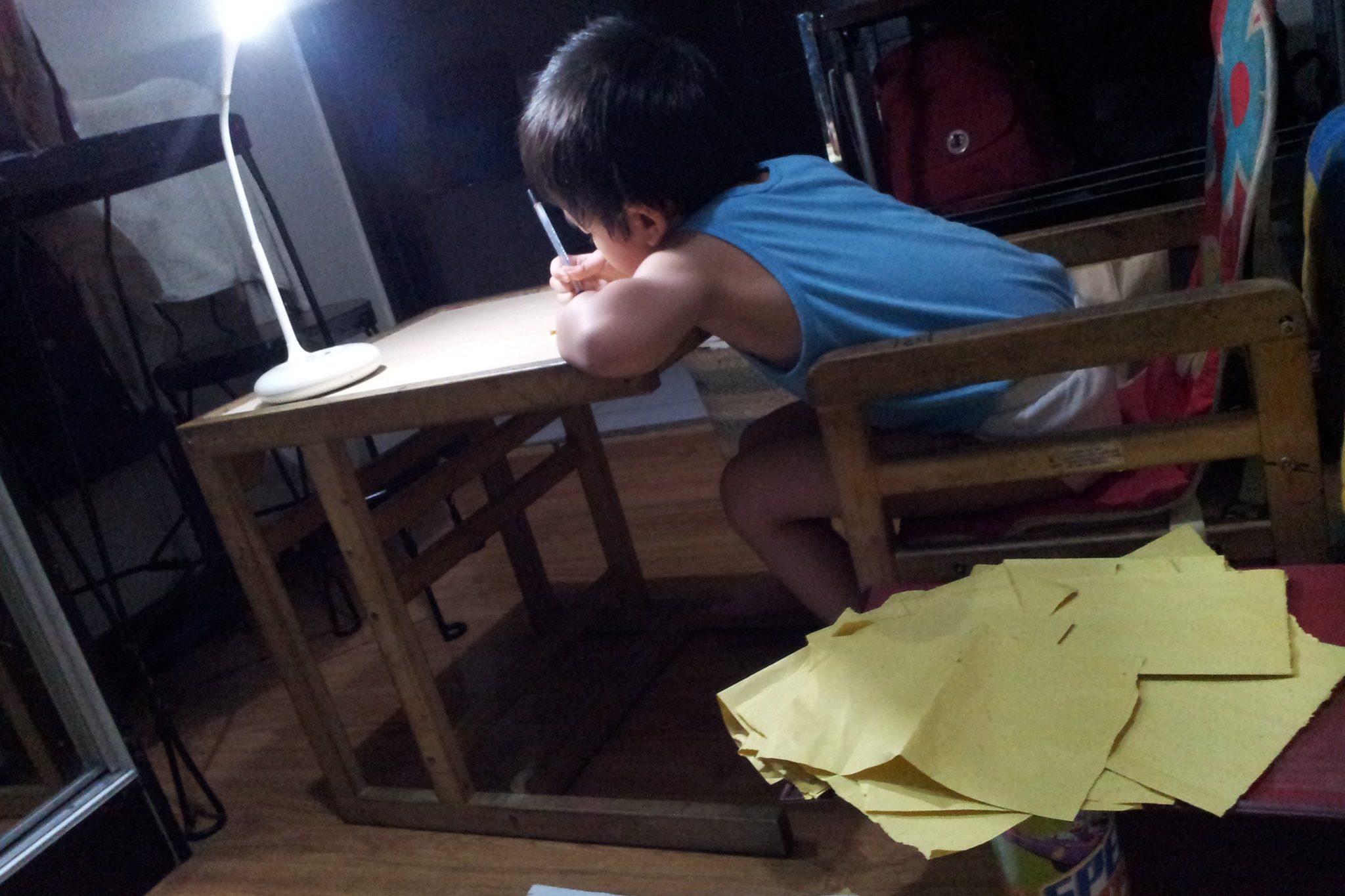
When he was a toddler, my nephew used to walk in the garden always stopping at every metal drain he saw and staring at them. He cried so I would cut paper squares with holes that resembled those drains. From four to six years old, he repeatedly drew the itsy, bitsy spider on the water spout. The sun had rays that could be straight or wiggly, and the clouds when it rains will have a grumpy face. Reaching his tenth year, he is obsessed with fire alarms and sprinklers.  In the mall, he takes pictures of these ceiling and wall devices. When he chats, it’s about Spidey, his imaginary friend, or about those fire alarms and sprinklers – their brands or whether they appear similar in every wall or ceiling he finds them.

His Mom understands him and worries about him endlessly. But this auntie has to be fully accepting of who he is and allow him the space he needs, even if I have no control over the spectrum of his difficulties. He may apologize frequently, and his struggles may be vague and difficult to comprehend, but annoyance is never an option. I cannot expect of him what is expected of every child his age – in his physical, mental, and emotional development. This kid on the page of my story has to be consistently assured that his worth will never be tied to a high mark on a report card or to a new friend.

Presence in Auntie’s Legacy of Love

My deepest hope is that when he reflects on his childhood, he will remember countless moments of being seen, accepted, and loved without judgment. I want him to know that he can always turn to me, secure in the knowledge that he will find a steady, loving presence that will never abandon him.

Our relationship is not transactional; I am active in his life story. Every engagement, shared meal, and our trivial moments together should trigger nostalgic, happy memories. But this is not going to happen by accident, but with a dedication to give him warm, wise, and unwavering support. How I embrace my role as his aunt reflects this understanding of what it means to leave a legacy of love.

How I Override My Inner Critic on the First Draft: My Page Scheme for Writing

Writing a first draft is always a battle between creativity and my inner critic. That voice in my head constantly questions whether my sentences make sense, whether my ideas are worth exploring, or whether I should even bother writing at all. But over time, I’ve developed a page scheme—a set of strategies that help me push forward, silence my doubts, and get words onto the page. This page scheme isn’t about perfection. It’s about overriding hesitation, keeping momentum, and trusting that the real magic happens in revision, not in the first draft.

Page Scheme #1: Embracing My Personal Chaos

My mentor once suggested a lack of ‘ego-strength’ hindered my writing. Lately, in my prayers, I’ve come to see this as a struggle between fear and faith, a battle intrinsic to the writing process. The instant a clumsy sentence appears, my inner critic descends, whispering doubts about the value of words, especially in our hyper-connected age. Writing, I’ve learned, requires a kind of prayerful energy, a sustained motivation—what I now understand as ‘inner, lasting drive’—a gift God gives, a gift I must steward responsibly.

To counter this, I’ve embraced a liberating approach: ‘If my sentences are awkward or repetitive, I can let them be.’ My page scheme is simple: write without pause, without rereading, without editing. Some days, the results are pure nonsense. But I’ve discovered a strange comfort in chaos, knowing that these raw, unfiltered words, however imperfect, can be shaped into something meaningful later. I believe this chaos is a part of the process God has set before me.

Page Scheme #2: Writing in Timed Sprints

I’ve noticed that when I have unlimited time to write, my inner critic gets louder. I find myself agonizing over word choices and rewriting the same paragraph over and over. To avoid this, I use a page scheme that forces me to focus: writing in timed sprints.

I write for two hours max, because this is how long it takes me to process a 1000 word essay at least. In spite of my desire to just write on and on, I am past brainstorming once I set my skills to word search, sentence structuring, and paragraph development. No overthinking, no stopping to fix things – just difficult to do – but I move forward, bypass self-doubt and get my ideas down.

Focusing on momentum rather than perfection, I demand from myself a last period within two hours. This method keeps my inner critic from interfering since it does not have enough time to take over.

Page Scheme #3: Separating Writing from Editing

In a previous reflection on writing, I introduced the concept of the ‘page boss’—that internal editor eager to correct every perceived flaw. This ‘page boss’ must be sidelined during the initial writing process, allowing for uninhibited exploration on the page. While crafting, the boss remains in its office, respecting my creative space.

However, upon completing a full draft, the ‘page boss’ is invited back, ready to refine and correct. The raw version, inevitably lacking crucial elements for a cohesive whole, is rarely acceptable as is. But the writer in me welcomes the editor, humbly submitting to the necessary rewrites—but only after the initial outpouring of words is complete.

Page Scheme #4: Creating Rituals That Sets My Mind to Writing

So I follow a routine: sleep early, wake up at dawn, pray and read the Bible, sit-ups, walk, breakfast, clear-up my desk, set up the computer, write – sorry, it takes a long time, but see, this works for me. If I just sit down and expect myself to start writing immediately, my inner critic often jumps in first. But if I follow a page scheme that includes a ritual—something that signals to my brain that it’s time to write—it’s much easier to get into a creative flow.

I also try to write in an airconditioned office space, never at home. So actually the routine above include the morning rituals of dressing up and commuting. Over time, my brain has learned that these small rituals eliminate distractions because my mind is set towards writing, and all my energy leads to the page.

Page Scheme #5: Setting a Deadline

Deadlines exist for a reason—to prevent the chaos of cramming and the disappointment of missed opportunities. With over thirteen years in a publishing house, another thirteen as a freelance editor, and my current role facilitating writing fellowships, I’ve learned to deeply respect deadlines for the sake of my own sanity. Every writing project with a clear goal—writing for a reader, not just for myself—demands a structured timeframe.

Deadlines are particularly crucial for grant applications, marketing campaigns, seasonal publications, and the layout and design process. Artists, like writers, require time to conceptualize and create. By establishing clear timeframes for each stage, I minimize detours and keep my inner critic at bay.

Trusting the Process and Moving Forward

Overriding my inner critic isn’t about silencing it completely; it’s about discerning when to disregard its voice. My first draft isn’t a quest for perfection—it’s simply a step towards completion.

By embracing my inherent chaos, employing focused writing sprints, separating drafting from editing, and adhering to clear deadlines, I can overcome self-doubt and translate my thoughts into words. Every essay, poem, short story, or novel I’ve written, even in their seemingly final forms, carries the marks of an imperfect draft. Yet, I persist, even as my inner critic attempts to impede my progress or halt it altogether. This page scheme serves as a constant reminder that writing is a process, and that revision is where the true work unfolds—a point on which even my inner critic agrees.

Writing for Pay: My Pay-Per-Page Freelance Realities

Writing, whether for pay or personal fulfillment, demands discipline, creativity, and commitment. However, the dynamics shift significantly when writing becomes a means of earning a livelihood. Pay-per-page models, while offering a tangible measure of effort against compensation, can sometimes overshadow the intrinsic rewards of the craft.

Temptation and Limitations of Pay Per Page

Many pay-per-page systems compensate writing according to the required output. Portals offering pay-per-page prioritize volume over value. Longer documents earn more, but that does not necessarily mean they are high-quality output, and the intellectual effort may not be rigorous. A short article might take longer to craft than a wordy piece, but in most pay-per-page model, the more words on the page, the higher the pay.

This is a desirable option for those who produce work quickly and efficiently. However, in many cases, speed can become an enemy of depth and originality. Writers who chase word or page count for monetary gain may struggle with burnout, producing rushed or formulaic content rather than well-thought-out pieces that resonate with readers.

Writing for Pay is a Responsibility

If I write on a pay-per-page basis, I have to produce a concise and well-written piece knowing I will not always get the compensation equivalent to my efforts. Writing, sad to admit, doesn’t pay, in most cases. Writing copy, however, or let’s say, content for other websites needs a diligent press on, to court, recruit, and maintain ‘clients’. Whatever writing skills I possess need to cater to the needs of a target audience. My byline doesn’t matter as long as I write content that potential target readers of branded products need. In writing for pay, I have to apply SEO dynamics, since data or information are useful only if accessed in the shortest time possible. In the race for SEO driven content to invite more traffic, copywriting eventually becomes a slog machine, where my authentic voice is erased, nullified, or voided.

Yet, only artificial intelligence is allowed to write generic content. I am still expected to produce essays that will stand out in the cacophony, requiring disciplined study, research, and analysis of relevant and useful references about the brand I’m writing for.

Beyond the Pay Per Page Mindset

To motivate a pay-for-page mindset that deducts all the intrinsic rewards of writing and to keep writing fulfilling, I regard the slog-machine-write-now exercise as my target practice. I will get better at writing if I write more, with diligence and disciplined flexing of the craft one copy at a time. Pay-per-page allows more writing, pragmatically churning information thoughtfully, and solely for its sake.

The real writing that I need to muster: personal essays, poems, flash fiction, aiming them for publication cannot get sidelined. But if my primary motivation is the money I earn through pay-per-page, I might stop writing these all together. Therefore, I navigate my identities as producer of meanings energized by this principle:

“Concentrate on doing your best for God, work you won’t be ashamed of, laying out the truth plain and simple. Stay clear of pious talk that is only talk. Words are not mere words, you know. If they are not backed by a godly life, they accumulate as poison to the soul.”

With or without pay, I can enjoy writing. But I confess that it takes faith and courage to embrace this identity and declare with fulfillment, “I am a writer.